
Used Hybrid or Plug-In Hybrid? A Guide for Victoria Drivers
Maybe you know you want your next vehicle to use less gas, but you’re not ready to go fully electric.
That’s where things get interesting. Do you stick with a traditional gas vehicle? Buy a hybrid that never needs to be plugged in? Or choose a plug-in hybrid that can handle some of your everyday driving on electricity but still has a gas engine for longer trips?
If you’re shopping used, all three can be good choices. The best one depends less on which technology is “best” and more on how you actually drive.
Here’s how to figure it out.
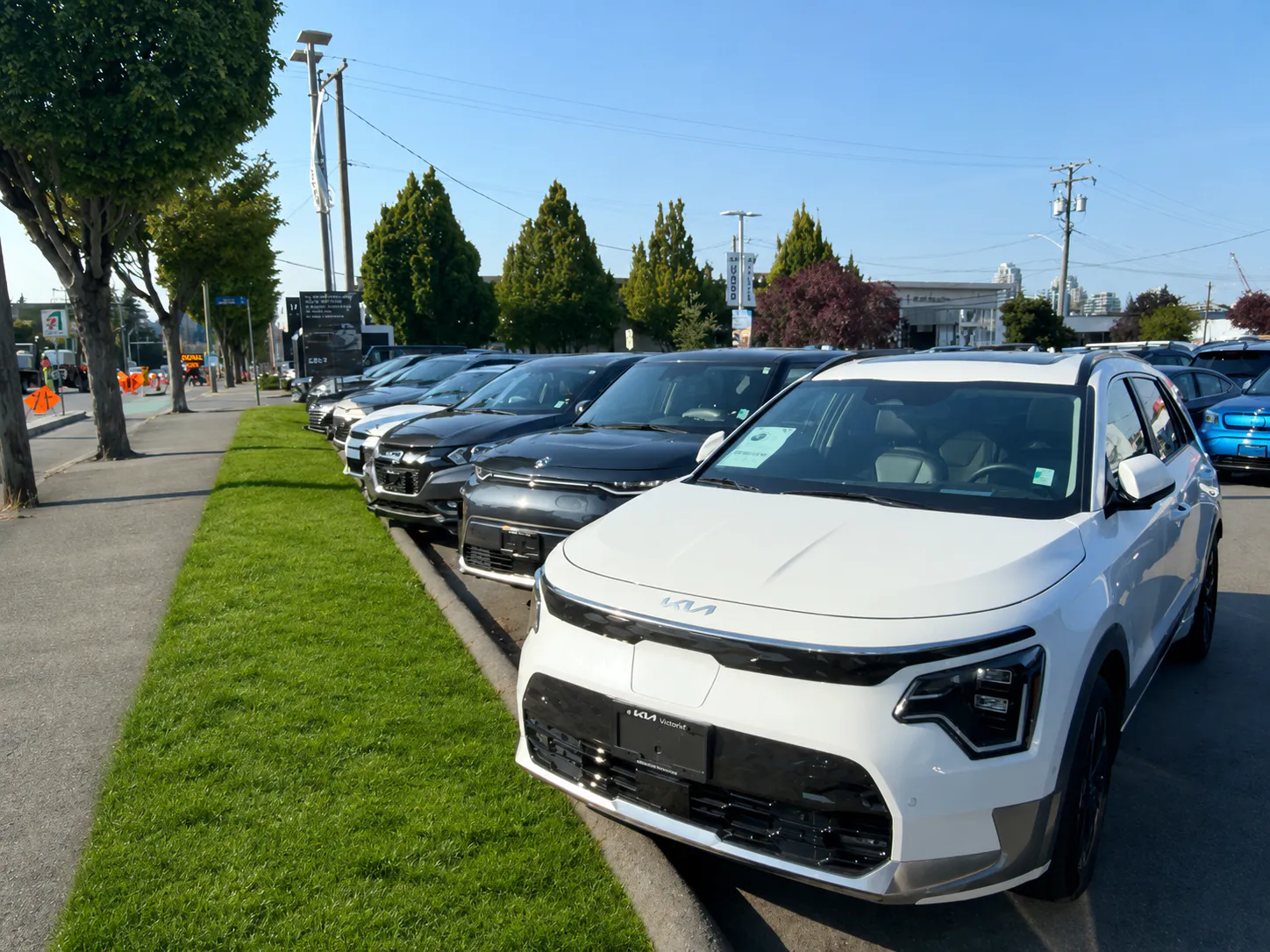
Shopping used? Gas, hybrid and plug-in hybrid vehicles can all make sense depending on how you drive.
Gas vs. Hybrid vs. Plug-In Hybrid: What’s the Difference?
First, a quick explanation, because the word hybrid gets used pretty loosely.
A gas vehicle uses a gasoline engine.
A hybrid, also called an HEV (Hybrid Electric Vehicle), has a gasoline engine, an electric motor and a small high-voltage battery. You never plug it in. The vehicle manages the gas and electric systems automatically and recharges its battery as you drive, including through regenerative braking.
A plug-in hybrid, or PHEV (Plug-In Hybrid Electric Vehicle), also has a gasoline engine and electric motor, but it has a larger battery that you can plug in and charge. That allows a PHEV to drive a limited distance using electricity before relying more heavily on its gasoline engine.
Here’s the simplest comparison:
| Gas | Hybrid (HEV) | Plug-In Hybrid (PHEV) | |
|---|---|---|---|
| Gas engine | Yes | Yes | Yes |
| Electric motor | No | Yes | Yes |
| Plug it in | No | No | Yes |
| Electric-only driving | No | Limited/under certain conditions | Yes, for a limited range (usually ~50kms) |
| Gas station needed | Yes | Yes | Yes |
| Best fit | Familiar, straightforward driving | Better fuel economy without charging | Drivers who can charge regularly |
All three can handle a road trip. The difference is what happens during the rest of your driving.
Ready to start shopping? Check out our used hybrids and plug-in hybrids here.
Which One Makes Sense for You?
This is easier to understand with real life rather than powertrain terminology.
A used hybrid might suit you if…
You live in a condo without convenient charging. You commute from Langford into Victoria, drive kids around after work, run errands on weekends and regularly head up Island.
You’d like to stop buying quite so much gas, but you don’t want to think about charging.
An HEV can be a very easy transition from a conventional gas vehicle. You still stop at a gas station when you need fuel. You never have to plug the vehicle in. Most of the work happens invisibly while you drive.
For someone curious about electrified driving, this can be a very simple first step.
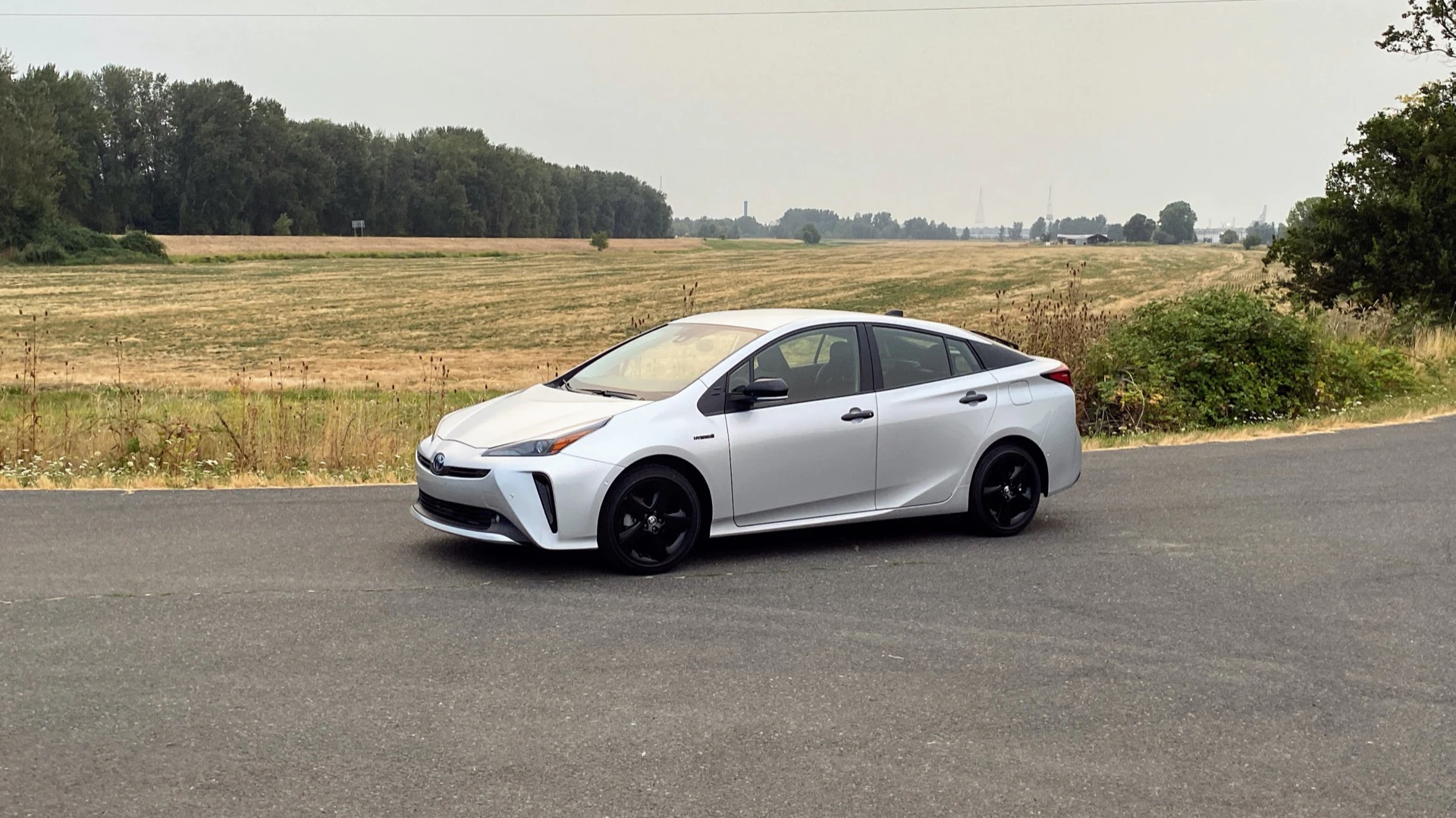
The Toyota Prius is one of the most familiar examples of a conventional hybrid that never needs to be plugged in.
A used plug-in hybrid might suit you if…
You can charge at home and most of your everyday driving is fairly local.
Maybe your normal week is commuting around Greater Victoria, school runs, groceries and activities. You can plug the vehicle in when you get home and potentially complete a meaningful portion of that driving using electricity.
But then Friday comes and you decide to drive to Tofino.
You don’t need to plan your trip around charging stations. Once the usable electric charge is depleted, the vehicle can continue operating using its gasoline engine.
That combination is exactly what makes PHEVs appealing to some Vancouver Island drivers.
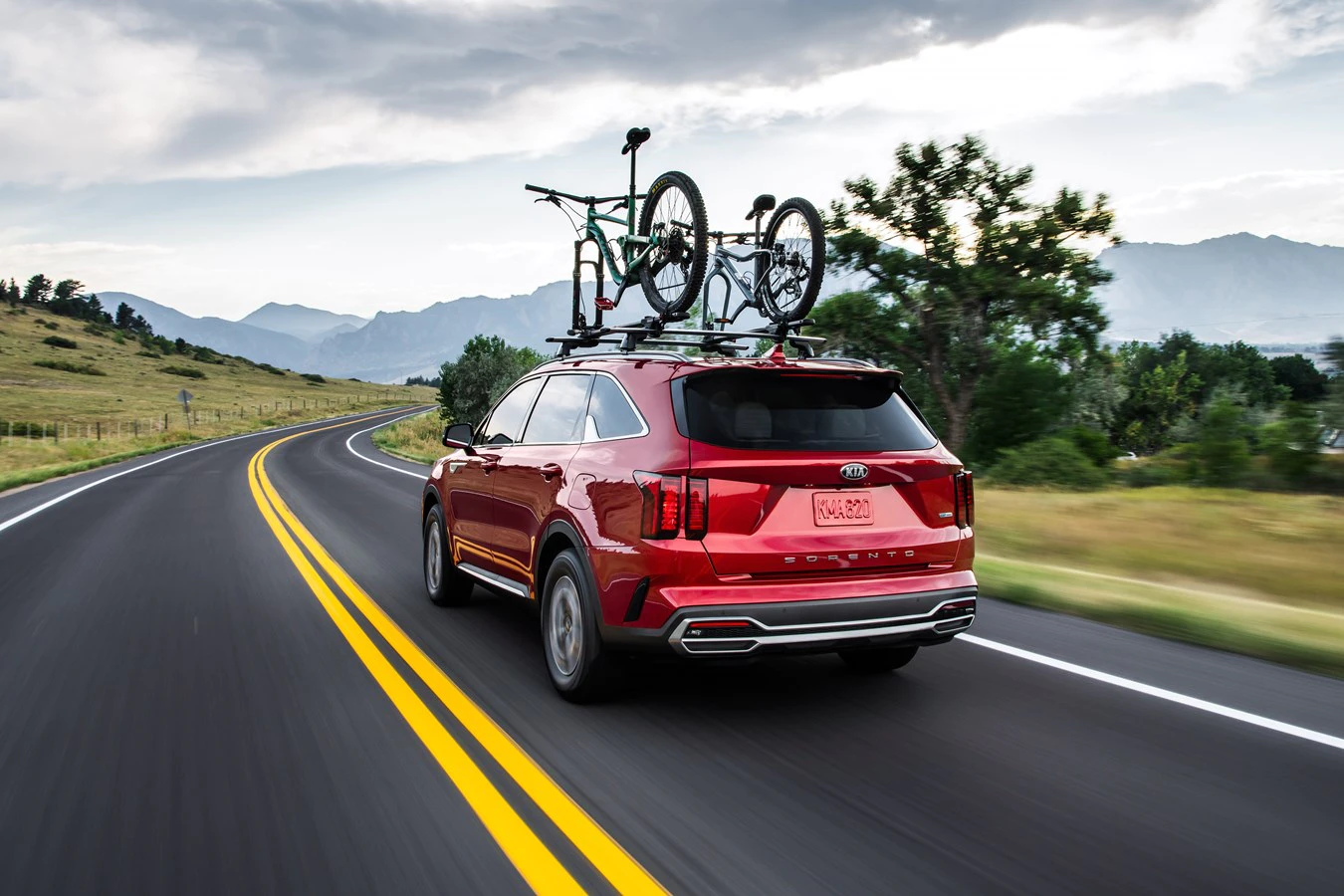
A hybrid can reduce fuel use without changing the way you refuel on longer trips.
Is a PHEV Better Than a Regular Hybrid?
Not necessarily.
A plug-in hybrid has a larger battery and the ability to drive farther on electricity, but you have to actually plug it in to get the full benefit of that technology.
If you have easy access to charging and use it regularly, a PHEV can be a great fit. Depending on the vehicle and your daily driving, you may be able to complete many everyday trips using mostly electricity while keeping the gasoline engine available when you need it.
But if you’re rarely going to charge your PHEV, don’t assume it’s automatically the better choice simply because it has a larger battery.
You’re paying for capability you may not use.
A regular HEV may be a better fit if what you really want is lower fuel consumption with virtually no change to your driving habits.
Why Do Hybrids Make Sense for Victoria Driving?
Greater Victoria involves a lot of the kind of driving where hybrids can be particularly useful.
Think about a normal weekday: traffic on Douglas or Blanshard, a trip across town, school pickup, groceries, another dozen traffic lights and then home.
A gas vehicle spends a lot of that time accelerating, slowing down, stopping and starting again.
An HEV can use its electric motor during portions of that driving and recover energy through regenerative braking.
A PHEV can go further. If you’ve charged it, some of those everyday trips may be completed using electricity rather than gasoline.
If most of your driving is uninterrupted highway travel, the calculation can be different. Hybrids are most efficient in stop-and-go traffic because of the regen braking, the opposite of gas engines who do best during highway travel. That’s why it’s worth looking at your actual driving rather than simply deciding that “hybrid is better.”
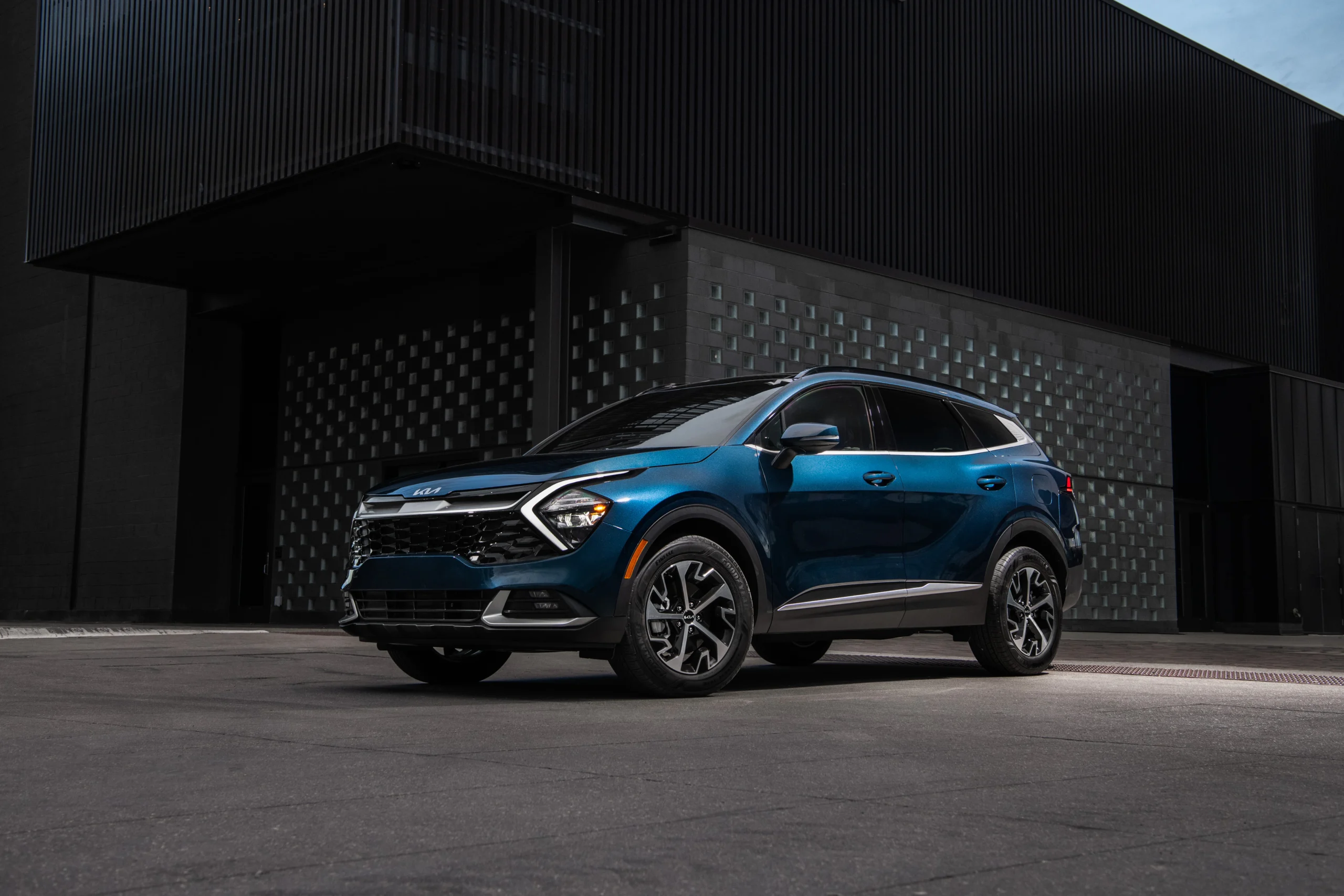
A plug-in hybrid adds a larger battery that can be charged for electric driving while keeping a gasoline engine for longer trips.
Is Buying a Used HEV or PHEV Riskier Than Buying Gas?
It’s different.
A conventional gas vehicle doesn’t have a high-voltage hybrid battery or electric drive motor to consider. An HEV does. A PHEV adds a larger high-voltage battery and charging components.
So when you’re buying a used hybrid or PHEV, there are additional systems you should investigate.
That doesn’t make them vehicles to avoid. It means the inspection needs to match the technology you’re buying.
And yes, that brings us to the question almost everyone asks.
What About the Battery?
How long will the battery last, and what happens if something goes wrong?
Those are reasonable questions when you’re looking at a used HEV or PHEV.
Hybrid batteries are designed for long-term use, but their condition still matters when you’re buying used. Age, mileage, vehicle history and the particular model can all be relevant.
Don’t try to determine battery health from the odometer alone.
Ask whether the high-voltage battery and hybrid system have been inspected. A technician familiar with hybrid systems can use diagnostic equipment to assess the system and, where supported by the vehicle, obtain information about battery health.
You should also find out whether any of the manufacturer’s original hybrid-system or battery warranty remains.
Don’t assume. Warranty coverage varies by manufacturer, model and model year, so it should be checked for the specific vehicle you’re considering.
For a PHEV, you’ll also want to make sure the charging system is operating properly.
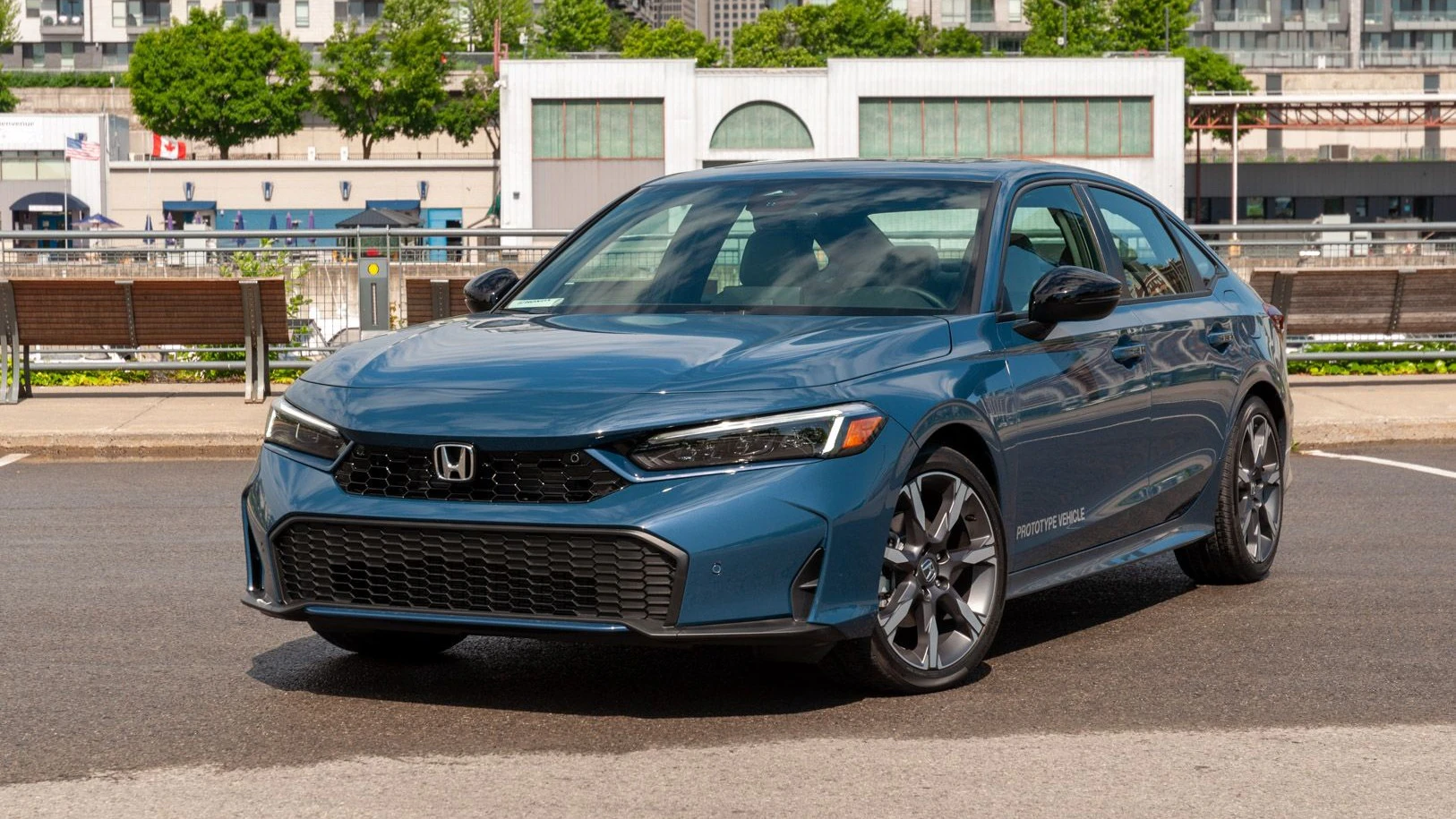
Hybrids aren’t limited to SUVs. Sedans such as the Honda Civic Hybrid offer another route to lower fuel consumption.
What Should You Check Before Buying a Used HEV or PHEV?
Start with everything you’d normally check on a used vehicle, then add the electrified components.
1. High-voltage battery and hybrid system
Ask whether the battery and hybrid system have been inspected and whether diagnostic information about battery health is available.
2. Charging system on a PHEV
If you’re buying a plug-in hybrid, make sure it actually charges properly. Check the charge port and charging equipment supplied with the vehicle, and confirm that there are no charging-system warnings or obvious issues.
3. Remaining battery and hybrid warranty
Check the warranty coverage applicable to that specific vehicle. Don’t rely on a general statement about how long “hybrid warranties” last.
4. Service history
Look for a well-documented maintenance history and check whether the vehicle has been maintained according to the manufacturer’s requirements.
5. Vehicle history
Review the vehicle’s history for reported collisions and other useful information. At Kia Victoria, our used vehicles include a CARFAX Canada vehicle history report.
6. Recalls and software updates
HEVs and PHEVs rely on sophisticated electronic control systems. Check for outstanding manufacturer recalls and applicable updates.
7. Regenerative braking
Electrified vehicles use regenerative braking to recover energy as they slow down. The braking system should still be inspected along with the rest of the vehicle.
8. The 12-volt battery
Yes, there’s another battery.
HEVs and PHEVs generally still have a conventional low-voltage battery that powers vehicle electronics and accessories. Its condition matters too.
9. Everything else
Don’t become so focused on the expensive battery that you forget you’re buying an entire used car.
Tires, suspension, brakes, steering, fluids, electronics, accident history and overall condition still matter.
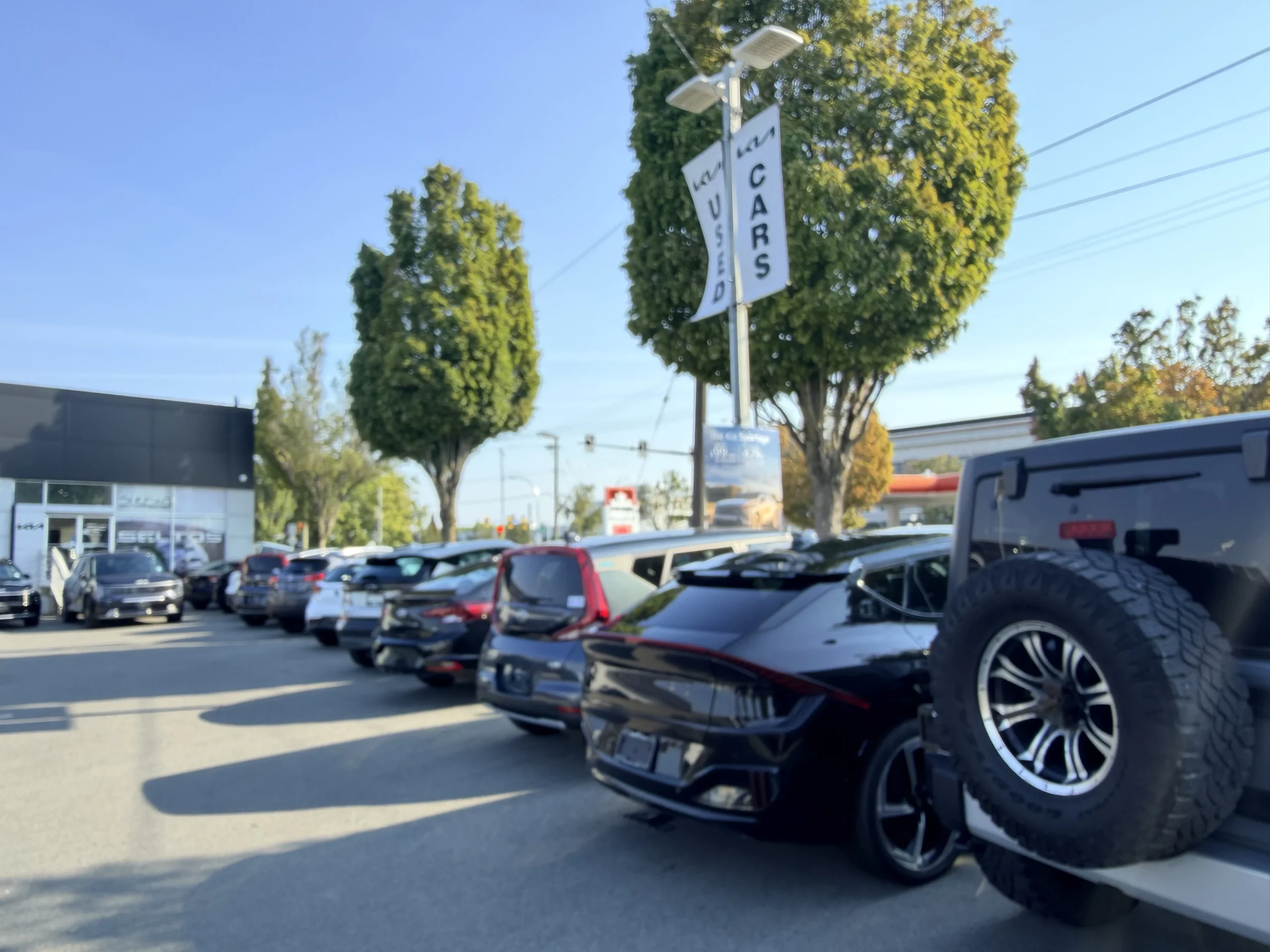
The right used vehicle isn’t automatically gas, hybrid or PHEV. It depends on how and where you drive. Pre-owned vehicles at Kia Victoria in Victoria, BC. Comparing actual purchase price, condition, mileage, fuel consumption and driving needs can help shoppers decide between gas, hybrid and plug-in hybrid vehicles. Buying from a reputable dealer can offer extra peace of mind.
What Should a Used Hybrid or PHEV Feel Like on a Test Drive?
Pay attention to how the vehicle transitions between its gasoline engine and electric assistance. In a properly functioning modern hybrid system, that transition should generally feel smooth.
Watch the dashboard for warning lights or hybrid-system messages. Listen for unusual noises. Pay attention to whether the brakes feel consistent and predictable.
If you’re testing a PHEV, try it with some charge in the battery so you can experience its electric driving as well.
Then stop thinking about the powertrain for a few minutes.
Do you actually like the vehicle?
Are the seats comfortable? Can you see properly? Does your family fit? Is there enough cargo space? Is it easy to park? Does it have the features you care about?
A perfectly functioning hybrid that doesn’t suit your life is still the wrong car.
Which Used Hybrids and PHEVs Should You Consider?
There’s no single “best used hybrid.”
Toyota has been building hybrids for decades, with vehicles such as the Prius and RAV4 Hybrid becoming familiar sights on Canadian roads. Honda offers hybrid versions of vehicles including the Civic, Accord and CR-V. Hyundai has offered hybrid and plug-in hybrid versions of vehicles such as the Tucson and Santa Fe. Kia’s electrified lineup has included models such as the Niro, Sportage and Sorento in hybrid and/or plug-in hybrid configurations.
There are plenty of other options too.
Is a Hybrid a Good First Step Toward an EV?
It certainly can be.
An HEV lets you experience an electrified powertrain without ever having to plug the vehicle in. From the driver’s perspective, there’s almost nothing new to learn.
A PHEV takes you one step further. You can get used to plugging in, charging at home and doing some of your driving on electricity, while still having a gasoline engine available when you need it.
And for some people, that’s exactly where they’ll want to stay.
There’s no rule that says everyone needs to progress from:
Gas → HEV → PHEV → EV
They’re different technologies for different needs, not levels you need to work through.
But if you’re interested in eventually owning an EV and aren’t quite ready to make the jump, a used HEV or PHEV can be a comfortable introduction to electrified driving.
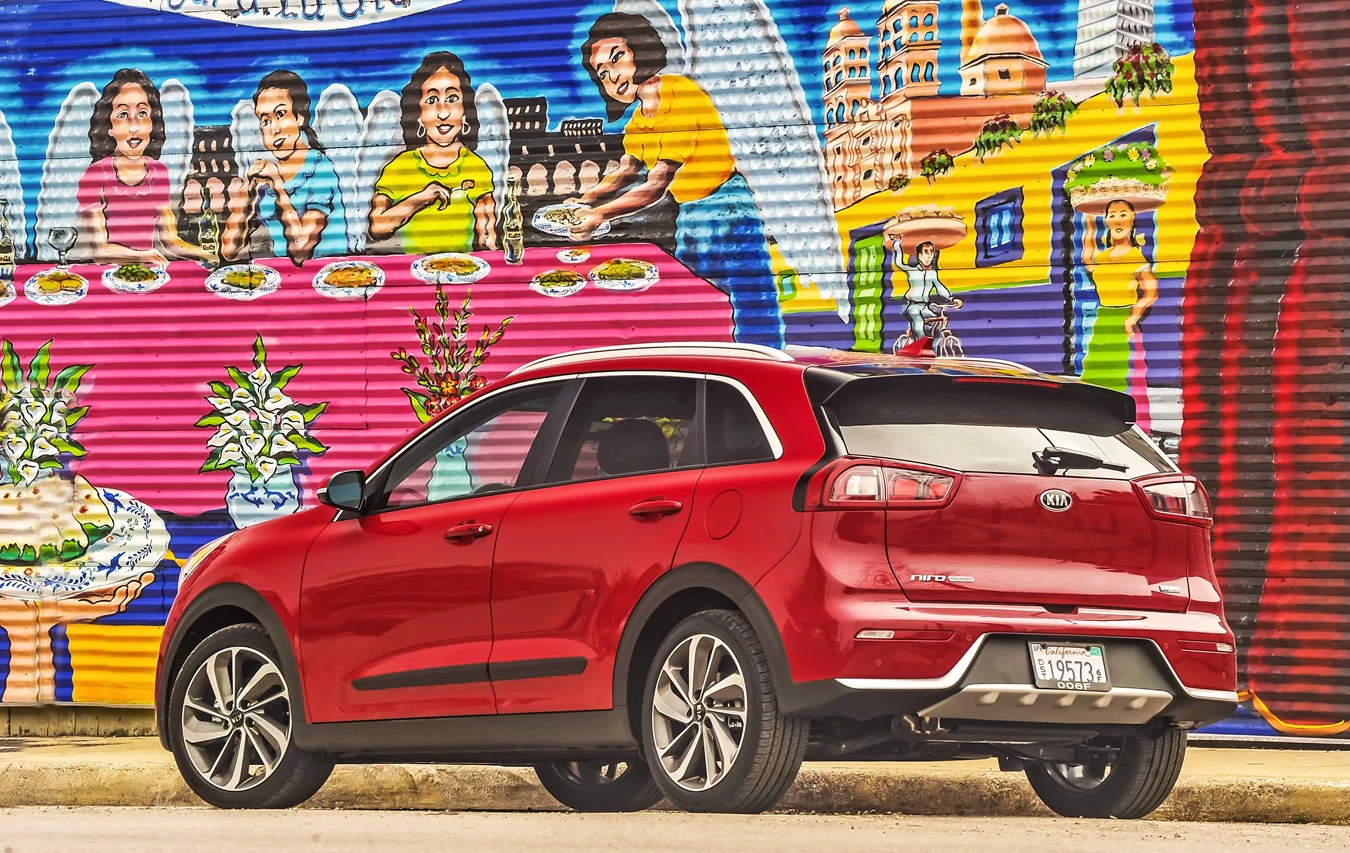
The Kia Niro is another example of an electrified vehicle that can be found on the used market.
So, Should Your Next Used Vehicle Be Gas, HEV or PHEV?
Ask yourself a few simple questions.
Can you conveniently charge at home?
If not, an HEV may make considerably more sense than a PHEV.
How much do you drive in an average day?
If you can charge regularly and much of your everyday driving falls within a PHEV’s electric capability, a plug-in hybrid becomes much more interesting.
How much highway driving do you do?
Someone commuting through Greater Victoria every day may see a different benefit from hybrid technology than someone whose kilometres are primarily long highway trips.
What’s the price difference?
Don’t compare technologies in isolation. Compare the actual used vehicles available to you, their condition, mileage, equipment, expected fuel consumption and purchase price.
And finally:
Which vehicle do you actually like driving?
That one still matters.
For many Victoria drivers who want to use less gasoline but aren’t ready to go fully electric, a used HEV or PHEV can offer an excellent middle ground. The trick isn’t finding the “best” technology. It’s finding the one that fits the way you drive.
Shopping for a Used Hybrid or PHEV in Victoria?
Our pre-owned inventory includes vehicles from Kia and other manufacturers, so what we have available changes all the time. If you’re trying to decide between gas, hybrid and plug-in hybrid, you don’t need to figure it all out before you visit. Come drive a few and tell us how you actually use your vehicle. We’ll help you compare the options.
Ready to start shopping? Check out our used hybrids and plug-in hybrids here.